Those Who Stand with the People - The Work of Caritas Georgia
Although we are often unaware of it - caught up in our own lives, our own problems, or simply because those living on the margins rarely have the opportunity to step beyond them - countless people around us struggle to meet even their most basic needs without external support. Across the world, far too many individuals know no reality other than poverty and hardship. It is precisely in response to this reality, driven by the desire to change it and to do so in a meaningful and lasting way, that organizations such as Caritas come into being.
Caritas is certainly not the only organization extending a helping hand to those in need. It would be a mistake not to acknowledge the many others - often smaller and far from the public spotlight - that dedicate their time, energy, and resources every day to improving the lives of vulnerable individuals and communities. Their work is often carried out quietly, yet it is indispensable. Nevertheless, because of the scale of its commitment and the breadth of its global network, Caritas stands as one of the world’s leading humanitarian organizations. It is an institution that has made service to others not merely its mission, but the very reason for its existence.
Caritas traces its origins to 1897, when it was founded in Germany on the initiative of Lorenz Werthmann. It was built upon a simple yet profoundly transformative idea: faith must be put into practice through concrete actions, serving and supporting the most vulnerable members of society. What initially began as a national initiative within Germany, however, evolved over the course of little more than half a century into a project of far greater scope. This culminated in the establishment of Caritas Internationalis in 1954. Today, more than seventy years after its founding, Caritas Internationalis brings together over 162 national member organizations operating in more than 200 countries and territories. While united under a common global framework, each national organization functions independently and autonomously. Bridging the global confederation and its national members are seven regional bodies, which support national organizations by providing technical expertise, facilitating coordination, and strengthening cooperation across their respective regions: Caritas Africa, Caritas Asia, Caritas Europa, Caritas Latin America and Caribbean, Caritas Middle East and North Africa, Caritas North America and Caritas Oceania.
For the purposes of this article, however, the spotlight turns to one of the national member organizations, part of both the Caritas Internationalis confederation and the Caritas Europa regional network: Caritas Georgia.
Founded by the Catholic Church, Caritas Georgia has developed within a predominantly Orthodox Christian society, where the Catholic community represents only a small minority. This distinctive religious landscape has shaped the organization’s institutional environment and, in some respects, the way it has grown. Unlike Caritas organizations in several European countries, which often operate through multiple dioceses and more decentralized structures, Caritas Georgia has evolved as a single national organization, adapting its work to the country’s social and religious context.
The organization came into being in 1994 with the primary aim of assisting those whose lives had been profoundly affected by the collapse of the Soviet Union. Indeed, in its aftermath, many were left facing poverty and uncertainty as soaring unemployment, internal conflicts, and their far-reaching social and economic consequences reshaped the country.
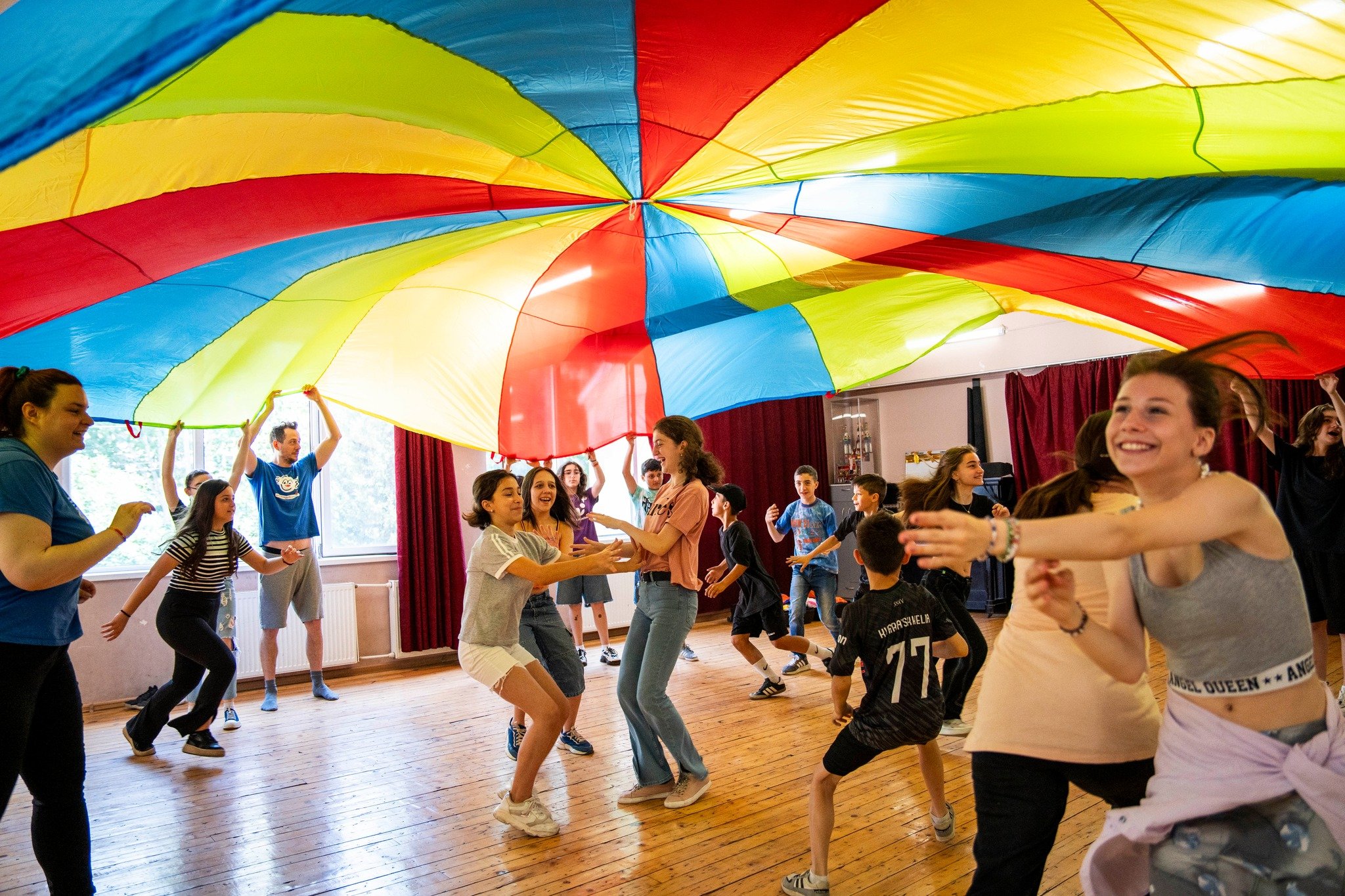
What started as a humanitarian response to the post-Soviet crisis has grown into a multifaceted organization working across a wide range of social sectors: from healthcare and social protection to education, migration, and the strengthening of local communities, a wide range of projects has been carried out across the country over the years. To gain a closer insight into the current initiatives, we interviewed Mindia Tavkhelidze, Head of the Community and Volunteering Program. While the organization’s central office is based in Tbilisi, its activities extend well beyond the capital. Kutaisi, Batumi, Gori are just some of the other places where Caritas Georgia carries out its projects. In both Kutaisi and Gori, the organization operates two youth centres where non-formal education activities seek to foster a proactive attitude among young people, many of whom come from disadvantaged backgrounds, with the aim of helping them build a better future. While the so-called Children Day Care Centre in Kutaisi focuses on supporting vulnerable children and young people by preventing school dropout and reducing the risk of youth delinquency, the Youth Space in Gori offers local youth aged 12 and above access to non-formal education, personal development opportunities, and a safe environment for social interaction. Through a variety of programs and initiatives, the centre promotes learning, creativity, and active participation. Among its key activities is a STEM Club, which introduces participants to technology and innovation through hands-on experiences. In partnership with the local university, the centre also delivers a personal development and career orientation programme designed to help young people identify their goals, explore career opportunities, and acquire the skills needed to achieve their aspirations.
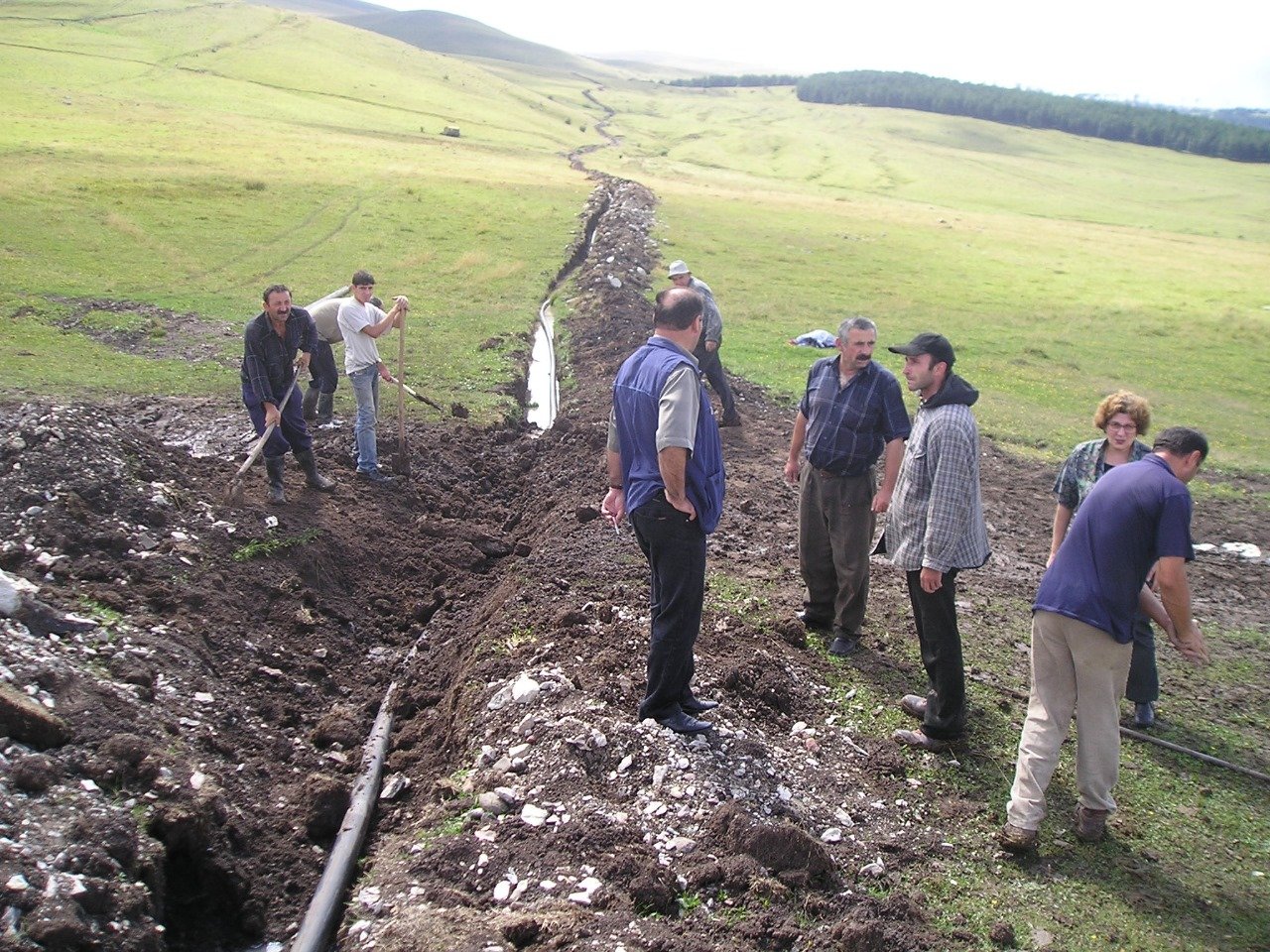
On the other hand, in Batumi, Caritas Georgia operates a shelter where people in need can turn to meet their most pressing needs. In the same area, a number of family-style group homes are currently under development. These facilities will accommodate orphaned children and young people whose parents are absent. Among the ongoing projects in the Tbilisi area, migration is a central focus. The organization provides support to Georgian citizens who return to the country after a period spent abroad, whether voluntarily or involuntarily, with the aim of facilitating a smooth reintegration process. Assistance is offered both on a psychological and economic level. Psychological support is provided through a network of so-called “listening centres,” while economic and social reintegration measures address practical needs and long-term stability. The support process begins even before departure, with pre-departure counseling. Upon arrival in Georgia, beneficiaries are offered airport pick-up services and emergency housing. Further assistance includes vocational training and job placement support, as well as help for those wishing to establish their own micro-businesses. In such cases, beneficiaries may receive goods and equipment to help launch their enterprises. Additional services cover legal, administrative, and medical assistance, with specialized support available for vulnerable groups, including unaccompanied minors. Overall, support can extend for up to 12 months after return, ensuring continued assistance during the reintegration period. The organization also maintains ongoing collaboration with state institutions, such as public schools, aimed at the effective and efficient integration of students with disabilities into the school education system. Not only social assistance and economic empowerment, Caritas Georgia’s commitment also extends to infrastructure-related interventions. In the municipality of Aspindza, in the south of the country, work is currently underway to lay as many as seven kilometres of water pipelines. The intervention aims to address the chronic water shortage that has for years compromised the irrigation of fields and agricultural productivity.
These and many others are the projects, the actions, and with them the hopes that Caritas staff and volunteers offer every day to those who extend their hand in search of someone ready to grasp it. Whether through social assistance, healthcare, education, migration services, economic empowerment, or infrastructure development, the organization addresses both the immediate needs of vulnerable communities and the structural challenges that affect their long-term well-being. While the initiatives vary in scale and focus, they share a common objective: strengthening the resilience of individuals and communities by creating the conditions for sustainable social and economic development.
Yet, as impactful as the organization’s work is, the root causes of poverty persist. Unemployment, lack of education, isolation and internal conflicts are among the many interconnected factors that continue to exacerbate vulnerability, leaving countless people in need of both economic assistance and psychological support. As Mindia pointed out, the scale of the challenge is reflected in Tbilisi, where hundreds of thousands of people are estimated to be in need of assistance. Not to mention rural areas, where the problem is even greater in proportional terms. Meeting these needs requires sustained, long-term commitment. Yet the future of this work is far from guaranteed. Many non-governmental organizations operate in a context of financial uncertainty, where both internal constraints and external conditions can affect their ability to function. As their activities largely depend on donations and international grants, any reduction in funding can quickly place programmes and services under significant pressure. Whenever an organization ceases its activities or reduces its work, it is important not to forget that those who truly lose out are the people, are all those who, in the absence of an outstretched hand from outside, would see their human dignity put to the test. In such a situation, each of us can play a role. Whether through volunteering or other forms of support, we can all make our contribution. If not, at least, we should open our eyes and recognize that the well-being of a few cannot justify the hardship of others; that whenever a human being loses his dignity, we all, in part, lose it as well. In doing so, we will realize how important is the work of those who try to make a difference, and rather than despising their actions, as some try to do, creating obstacles instead of bridges, we will start building those bridges ourselves.