International Student
From Honduras to Tbilisi: A Unique Academic and Personal Journey in Georgia
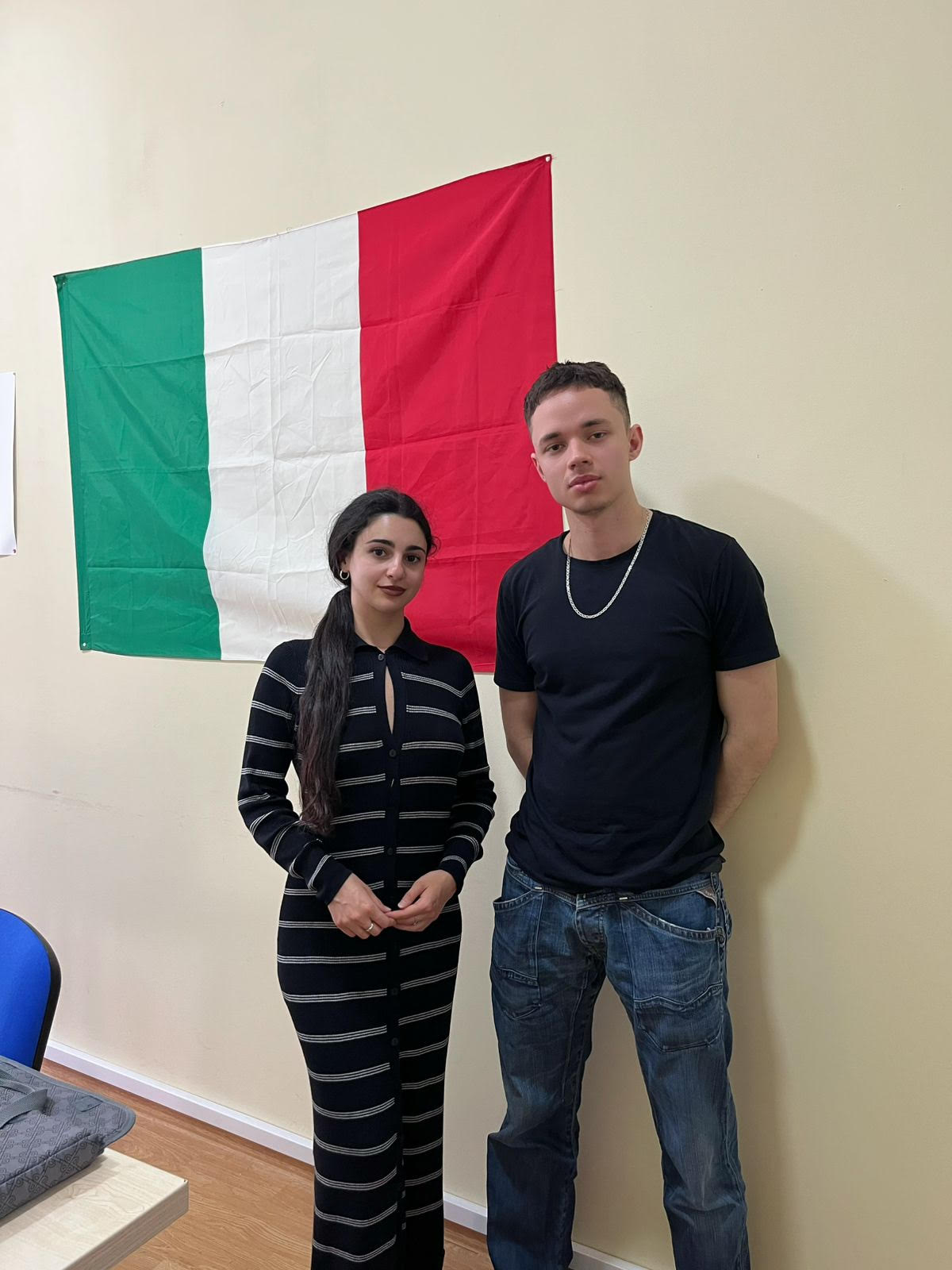
For many students in Latin America, moving to the Caucasus region is an unexpected and bold path. However, for Moran André Daí Henriquez Haylock, a young student from Honduras, it was a conscious leap toward professional growth. Already enrolled in a university back home, the turning point came when he encountered a unique scholarship opportunity.
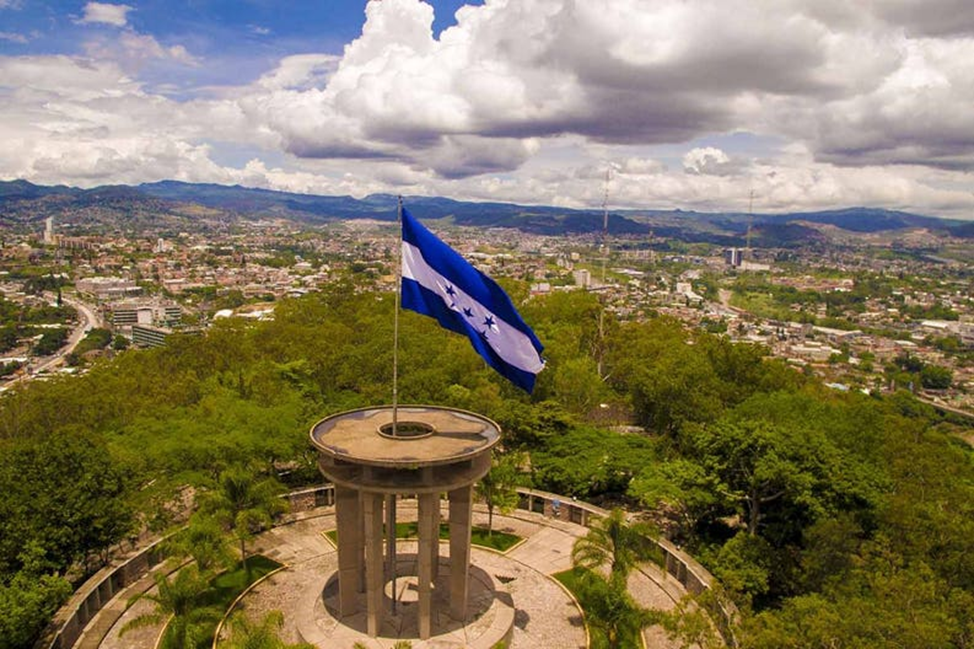
Honduras is a Central American nation blessed with breathtaking landscapes, but its socio-political reality presents severe economic challenges due to corruption and narcotics trafficking. Despite this, Moran highlights the resilience and natural happiness of the Honduran people. Seeking global networking and academic growth, he decided to take a chance on an unknown destination: Georgia.
Engineering a Future at Ilia State University Currently studying Civil Engineering at Ilia State University, Moran emphasizes that Georgia provides an excellent environment for academic advancement, largely due to its massive, diverse pool of international students-a factor he didn’t fully anticipate before arriving. His journey began at 3:00 AM at Tbilisi International Airport. The standout memory of that night was a welcoming taxi driver who, despite a total language barrier, spoke only Georgian but happily tried to communicate and even invited the newcomer to share a meal. This immediate, unspoken hospitality set the tone for his new life.
Navigating the Job Market and Work Culture Finding employment in Tbilisi turned out to be a smooth process after turning 18. Moran now works at Evolution (a digital game center), a position discovered through social media. Interestingly, belonging to a small, unique minority group in Georgia turned out to be an advantage during the hiring process, catching the eyes of local recruiters. Moran highlights a stark contrast between the digital job markets of Georgia and Honduras. Thanks to Georgia’s proximity to Europe, many international digital and app management businesses have branches here, whereas back home, options are mostly limited to traditional call centers. Furthermore, workplace relationships with local colleagues quickly turned into close friendships, as most of them fall into the exact same young age bracket.
Cultural Similarities and Sharp Contrasts When comparing Georgians and Latin Americans, Moran notes an interesting structural similarity: just like in Honduras, young people from rural villages in Georgia often migrate to major hubs like Tbilisi, Batumi, or Kutaisi for higher education. However, the cultural contrast is sharp. Georgians are described as generally happy but reserved and prone to staying within their own tight-knit circles, making integration a slow process for foreigners. “…if you come to my country… you say something to me in Spanish like we will hug you, we will be so happy to have you there and we will include you to our group. Meanwhile here, they get amazed that you speak their language but they don’t really invite you to go out… there’s a lack of desire of integrating someone from outside to their life.”
Transformation and Future Plans Moran admits that he will likely never feel completely “at home” anywhere outside of Honduras, and the first six months in Tbilisi were isolating due to the lack of a Spanish-speaking community. However, once a solid circle of friends was established, his confidence grew. Leaving his comfort zone completely reshaped his character, making him much more social. Summing up his journey in one word, Moran chooses “Unique.” Advice to fellow Latin Americans: “Don’t be afraid, get out of your comfort zone, it would be hard at the beginning of course you will feel lonely, but as time comes and as you try to get yourself out there you will find a group of people, you would find support in other people. I mention people a lot because people are the most important thing you have in life - connections.” As for the future, Georgia’s constant construction booms make it a perfect market for civil engineering. Moran is strongly considering returning to Tbilisi to start a business or work locally after completing a Master’s degree in Europe.
Author’s Note: The True Blueprint of Success Listening to Moran André’s story makes one realize that the modern educational journey is no longer just about text books or classrooms-it is about the courage to rewrite one’s identity in the middle of a foreign culture. Moran came to Tbilisi looking for building structures and engineering degrees, but what he actually engineered was a stronger, more resilient version of himself. In a country where the cultural doors can be heavy to open, his journey proves that sincerity, hard work, and the willingness to step out of comfort zones are the ultimate global currencies. Georgia’s expanding skyline might soon benefit from his architectural vision, but for now, his story stands as a beautiful bridge between the warmth of Central America and the ancient stones of the Caucasus.