A Decade of Self-Assertion: Tbilisi Women’s Choir in Milan and a New Path on the Choral Scene
A Decade of Self-Assertion: Tbilisi Women’s Choir in Milan and a New Path on the Choral Scene
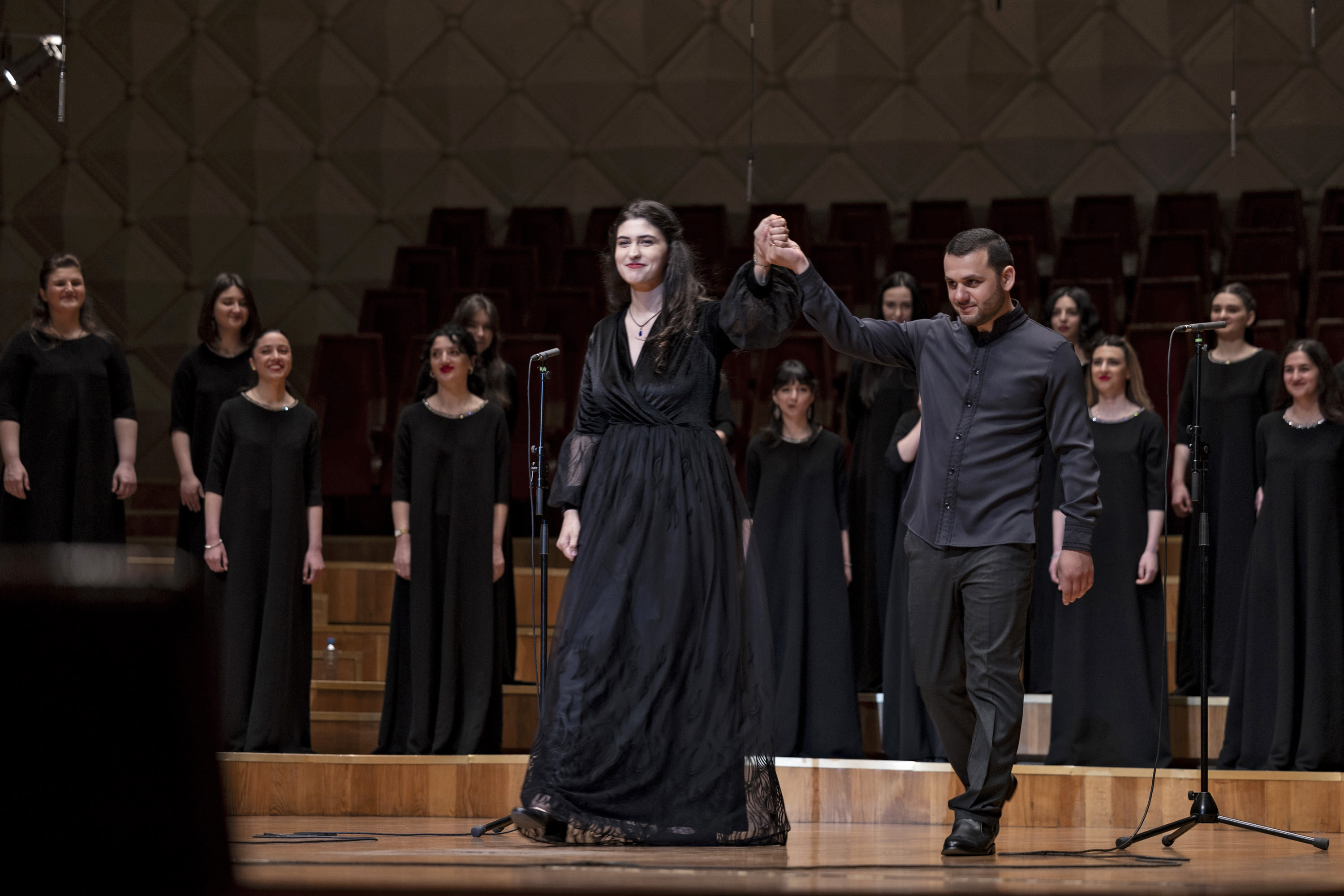
At the end of 2025, the Tbilisi Women’s Choir traveled outside Georgia for the first time - to the Milan International Choral Festival. This step was not just geographical but also symbolic: the culmination of twelve years of hard work, the promotion of Georgian choral music, and the professional development of a young ensemble. The choir’s artistic director and conductor, Omar Burduli, called the festival “a historically significant milestone for the Tbilisi Women’s Choir.” As he explained, the importance was less about the concerts taking place in Milan and more about the fact that “this was, first and foremost, our Georgian music presented outside the borders of Georgia. It was a significant event not only for me but also for the girls - these were truly special days.” Three concerts were held in different venues across the city. The programs were diverse, featuring Georgian choral music, European composers, and jazz choral adaptations developed by the choir members themselves.
“Other Music Reignited My Passion” - The Line of Georgian Choral Tradition
The first evening of the festival was entirely dedicated to Georgian choral music. Burduli associates the Georgian choral school with two names - Niko Sulkhanishvili and Ioseb Kechakmadze: “Niko Sulkhanishvili took the first step and wrote a choral composition. Ioseb Kechakmadze brought it to another level.” According to Burduli, Kechakmadze was not only a musical pillar but also a source of personal inspiration: “It was Kechakmadze’s music that reignited my love for other music… His music did everything to make me want to do this work.” Many of Kechakmadze’s works were included in the choir’s repertoire, along with compositions by Gia Kancheli and Otar Taktakishvili. Burduli also highlights the support of Kechakmadze’s family - the composer’s daughter, Tato Kechakmadze, who lives in Milan and attended the festival. Also his granddaughter, the young soprano Olga, who had planned to perform a solo, but was unable to participate due to a high fever.
Eleven Years of Enthusiasm and Struggle with the System
For the choir, 2025 was not only a year of technical success but also a psychological and institutional turning point. Burduli candidly admits that over the years, the choir’s existence was based solely on enthusiasm - without financial support: “For 11 years, it was all about enthusiasm… not a single rehearsal could be missed - that was my requirement.” The choir’s history includes many unusual episodes: “Some members had children, one was nine months pregnant attending rehearsals, and almost gave birth right there… Husbands would bring them on rehearsals - we couldn’t calm babies down…” The choir has seven members who have been with Burduli for 11–12 years - a level of personal commitment considered rare in the field of choral music. State support only began to appear in recent years. Burduli expresses particular gratitude: “There was one person who believed in us - Minister Tinatin Rukhadze. I will always be grateful; this will remain part of our history.”
Do Young People Still Trust Choral Art?
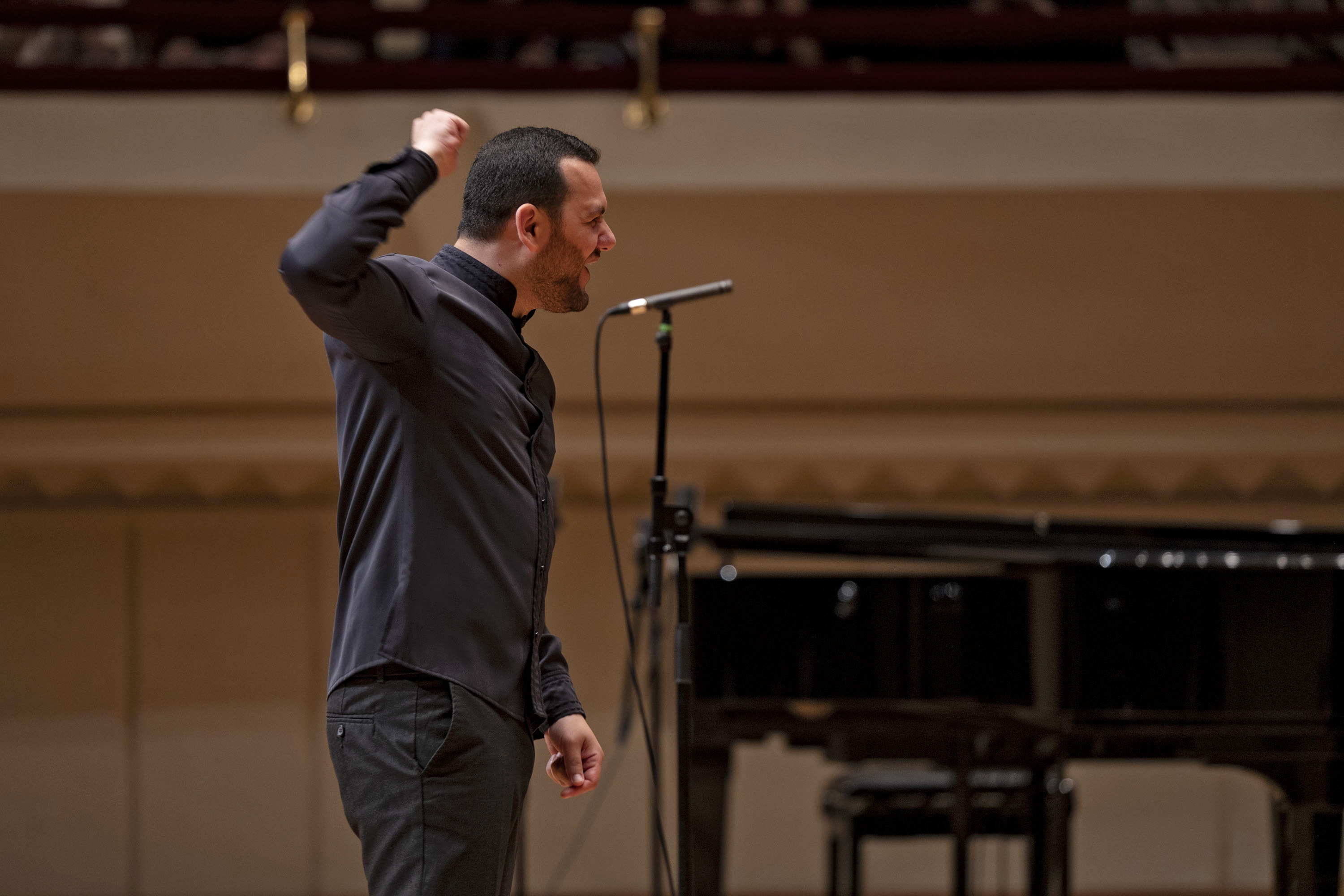
Today, when the sounds of trap and rap often override principles of intonation, Burduli emphasizes the importance of vocal training for young singers: “Just as an athlete needs training, we also need to practice the voice. Proper vocal technique does not come naturally.”
When a Composition is First Released to the World
Burduli notes that every composition is a challenge: “Each has its own idea that you must fully understand,” but he particularly recalls one episode: the works of the Gori composer Jemal Beglarishvili, written specifically for the women’s choir: “When you know it was written for you… it is a great honor and a responsibility.” Moments like these take on the significance of a “first breath” for choral music.
A Conductor Who Initially Didn’t Aim to Conduct
Omar Burduli’s path has always been tied to the choir - first as a member of choir as a child, then at the conservatory. While orchestral conducting is not excluded, his primary focus remains the choir: “I want to be where I am now and do what I am doing now.”
How Omar Burduli spends his free time
Beyond his professional path, Burduli speaks about his own nature: “I love football, playing Mafia, beer, and friends… I am generous, it’s part of my mountain character. I am hot-tempered and then I regret it.”
-
 Created with no use of AI tools